

Mindfulness in Brazil: Between Science, Religion, and the Secular
Published on 30 May 2026
Keywords: Australia, Aboriginal, Medicine, Antropocene
Since the 1970s, when Jon Kabat-Zinn developed the Mindfulness-Based Stress Reduction (MBSR) program in the United States, mindfulness has been reframed as both a scientifically grounded therapeutic practice and as rooted in Buddhism. Through this dual framing, it has circulated globally, especially in clinical and mental health settings.
My doctoral research examines how this ambivalent practice is established and validated in Brazil. I analyze how different actors mobilize and negotiate categories such as science, religion, and tradition, not as fixed domains, but as meanings articulated in practice. I argue that mindfulness becomes a site of dispute over the boundaries of the secular, where these categories are continuously redefined. Following Toniol (2018), I approach these therapies as operating within secular institutional spaces.
The research is based on ethnographic fieldwork in courses, retreats, and public events, as well as interviews with instructors, clinicians, and researchers, alongside analysis of scientific and media materials. This allows me to track both institutional processes and situated practices.
In Brazil, mindfulness appears across clinical protocols, corporate training programs, education, and public health policies. Its inclusion in the Brazilian health system, under the category of Integrative and Complementary Practices, places it alongside yoga, Reiki, and acupuncture, aligning it with practices considered “traditional” or “complementary” to mainstream treatments. At the same time, actors engage with Brazil’s religious diversity in different ways, generating controversies over how mindfulness should be defined and positioned.
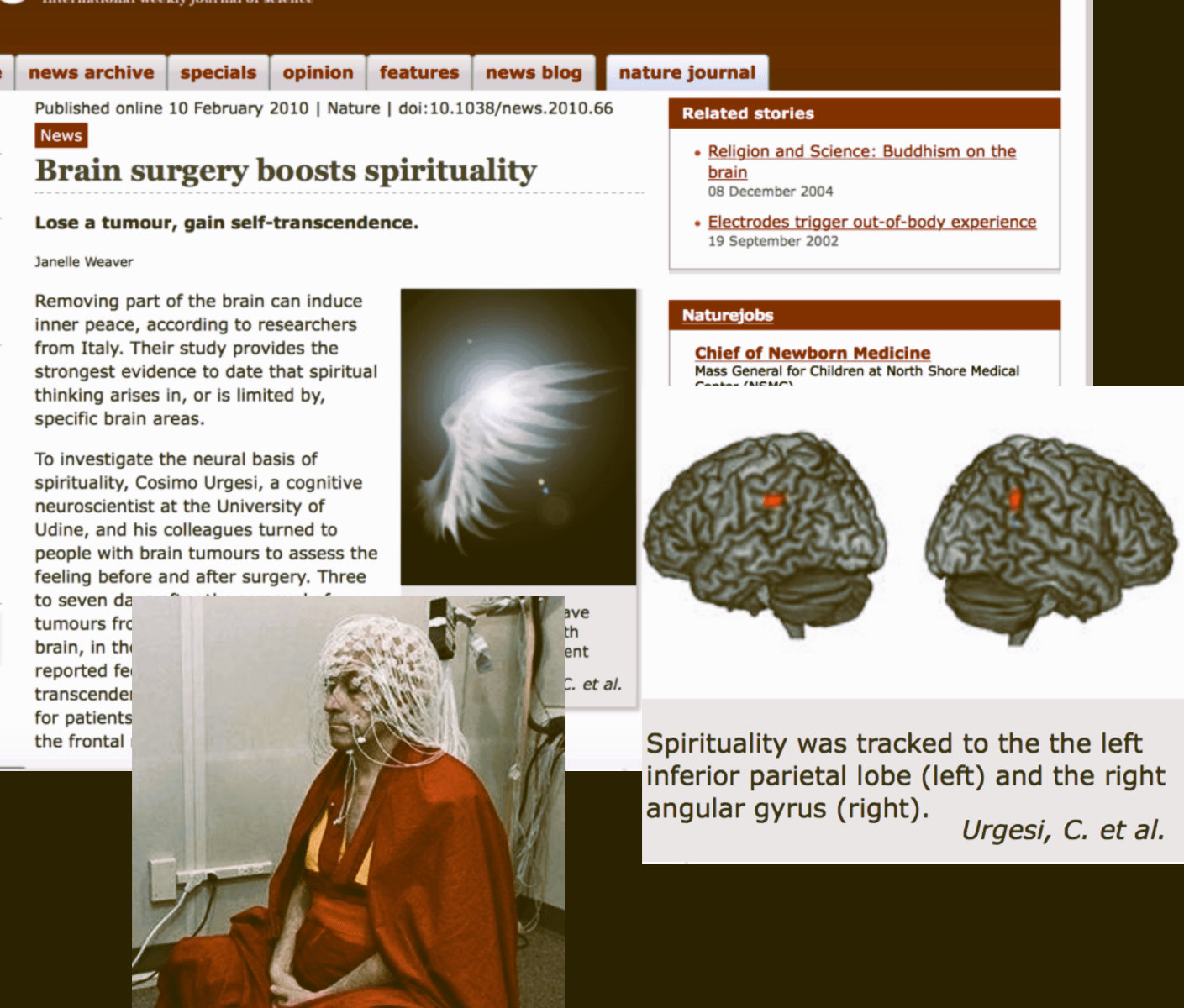
These disputes take shape through distinct strategies. At the Mente Aberta Center linked at the Federal University of São Paulo (UNIFESP), mindfulness is presented through a strong emphasis on scientific legitimacy, mobilizing neuroscientific language and clinical evidence, while still incorporating elements associated with Buddhist practice. Here, Buddhism is often framed as a tradition reinterpreted through science, reinforcing mindfulness as modern and scientific.
In contrast, the psychologist Tiago Tatton, co-founder of the Body in Mind Traing protocol, argues that unclear distinctions between mindfulness and Buddhism compromise research and clinical use, especially in Brazil, where he says syncretism is “too strong”. He proposes differentiating religious, quasi-religious, and secular forms of mindfulness, and develops a neurocognitive protocol that excludes buddhist elements and emphasizes attentional training grounded in cognitive psychology.
A third configuration appears in the work of Ramón Cosenza, who situates mindfulness within a broader field of contemplative practices, understood through their physiological and neurocognitive effects rather than their cultural or religious origins.
Some actors go further, drawing explicit equivalences between Buddhism and science, often describing Buddhism as a “science of the mind.” In these cases, there is no perceived tension between Buddhism and the secular, as scientific framing allows both to coexist within it.
Across these configurations, mindfulness is made valid through different assemblages of scientific discourse, tradition, and clinical evidence. These practices reveal how the boundaries of the secular are not given, but continuously negotiated in every context.
Engaging with anthropological discussions on secularism, particularly Talal Asad, this research shows how distinctions between science and religion are enacted in practice. In Brazil, Buddhism may appear as tradition, religion, or scientifically validated technique, depending on the context. The case thus foregrounds the situated work through which the secular itself is produced.
References:
ASAD, T. Genealogies of religion: discipline and reasons of power in Christianity and Islam. Baltimore: The Johns Hopkins University Press, 1993.
______. A construção da religião como uma categoria antropológica. Cadernos de Campo, n. 19, 2010.
COSENZA, Ramon M. Neurociência e mindfulness: meditação, equilíbrio emocional e redução do estresse. Porto Alegre: Artmed, 2021.
DEMARZO, M. P. Memorial (Livre-docência) – Universidade Federal de São Paulo. Escola Paulista de Medicina. Departamento de Medicina Preventiva, 2018.
MENESTREL, S. Expulsar el avatar: controversias, certificación y paradigma científico en el campo emergente de la meditación mindfulness (Francia, Estados Unidos). Encartes, v. 4, n. 7, p. 162–202, 2021.
TATTON-RAMOS, Tiago Pires. Mindfulness: boundaries between religion and science. Tese (Doutorado em Psicologia) – Universidade Federal do Rio Grande do Sul, Porto Alegre, 2016.
TONIOL, Rodrigo. Do espírito na saúde: oferta e uso de terapias alternativas/complementares nos serviços de saúde pública no Brasil. São Paulo: LiberArs, 2018
contact:

