
The universalization of Spirituality
Over the last few years, I have sought to describe and analyze the progressive use of the notion of spirituality by secular institutions. To address this issue, the first sociological attitude I propose is to distrust the ahistorical and apolitical appearance of this category. In my reflections I argue that spirituality is a historically and politically implicated category. The main starting point is the recognition that, contrary to the notions of religion and secularism, the category of spirituality has not yet received the genealogical treatment it deserves from social scientists of religion.
Spirituality has become a kind of intermediate term, which distances itself from religion because it is not institutional, but which is linked to it because it would refer to what is most authentic in the religious experience. Speaking in the name of spirituality is not speaking in the name of religion, and therefore this would be a common language for dialogue, a universalizing grammar. Not being synonymous with religion, the notion of spirituality has become an important political weapon to disinterestedly enter areas where religion cannot do so. And that is why this category created gray areas and many questions relevant to the debate about secular and secular.
There are many examples of public policies that mobilize the category of spirituality, whether to justify the presence of certain actors, to point out a horizon for dialogue or, like any public policy, to propose and prescribe what should be done. Cases of offering the practice of yoga in prisons, meditation in schools and defending State support for therapeutic communities maintained by religious groups, under the argument that in these contexts they operate based on the principle of spirituality and not religion, are widespread by countries around the world. In all these situations, spirituality enjoys a kind of carte blanche in the public debate.
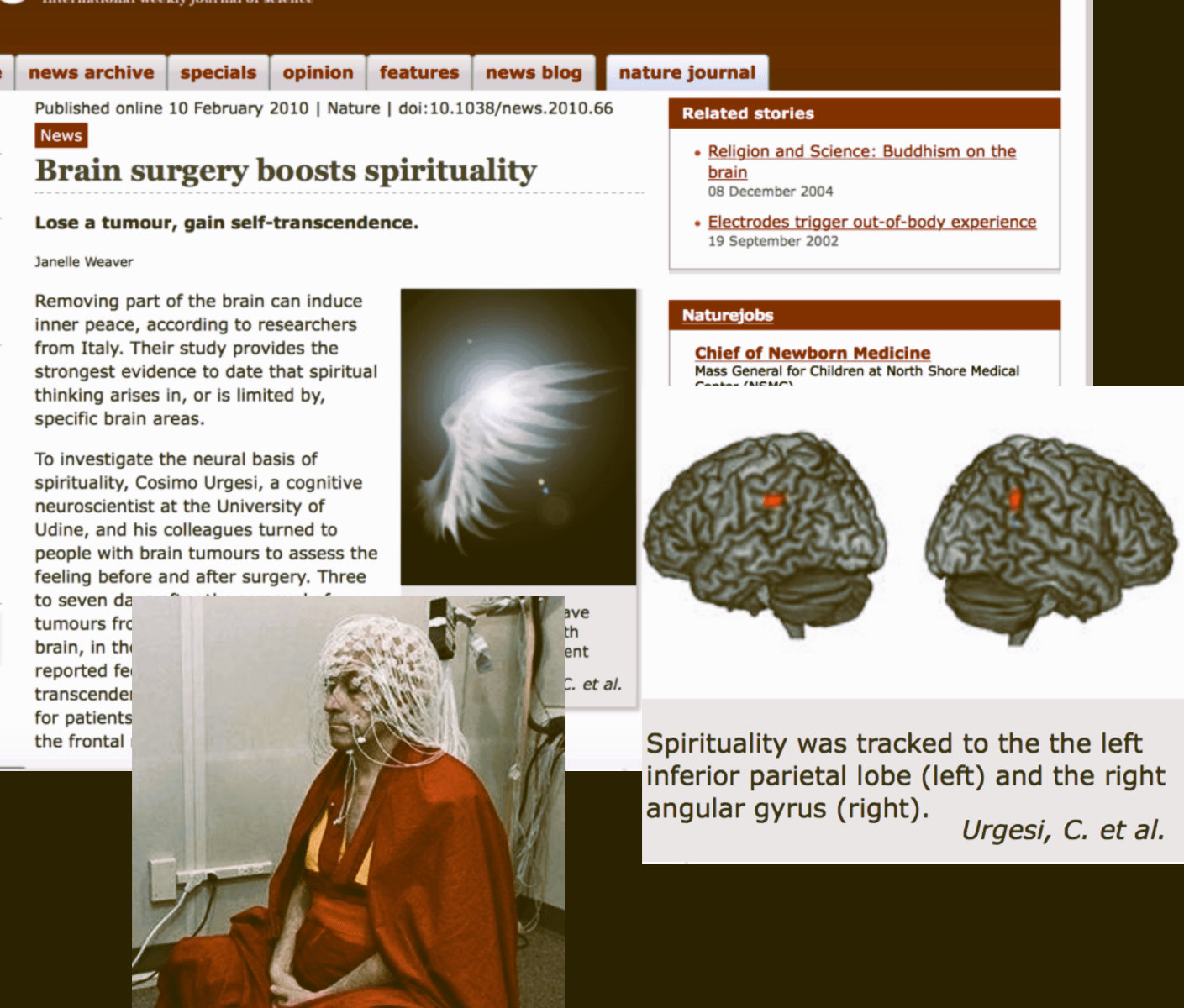
The presence of this category in the medical universe is the guiding principle of my analyses. I describe and analyze situations from which the category of spirituality emerges in public health policies, clinical care and medical research. Gradually, as I try to show, spirituality also became a relevant topic for the debate on health. The World Health Organization recommends its member countries to pay attention to spirituality. Medical research shows that spirituality is beneficial to health. More and more doctors are addressing this issue in their clinical consultations. In other words, far from being a term removed from institutional logic, the category of spirituality has produced real and concrete effects based on the institutionalized and bureaucratized routines of scientific knowledge and State practices. What is at stake in this phenomenon? What are its consequences for the debate on the relationship between State and religion?
In addition to being a phenomenon that matters in itself, I consider the universe of medicine as a hub for erroneous reflections for a fundamental reason, which is in line with the more general argument of this book. I support the thesis that spirituality has stabilized as a category related to universal issues and that it acts as a universalizing principle. In this process, the medical knowledge and its ways of establishing spirituality play a central role. This arises, among other reasons, from the fact that medicine has a form of scientific production that creates explanatory models and universal diagnoses. Thus, I seek to demonstrate how medicine actively contributed to the process of building spirituality as a universal principle.
 Science Religion and Health